


Knowing you’re not alone—that it’s probably not something specific to your space or skills that is making things difficult—is cold comfort if your business is struggling to survive.
This article, and the next few in this series, aim to ground event businesses in the specific conditions that are making things so tough, and, more importantly, arm you with a few practical steps you can take to not just survive but thrive. The truth is, most of what you need to do is the same as what we’ve been preaching to event businesses for the last two decades. So, if you aren’t already doing these things, consider this a healthy dose of tough love.
What's really going on right now
In one sense, 2026 is simply a continuation of something that started several decades ago. The biggest winners of the 21st century, companies like Apple and Amazon, have built much of their success on the strength of the experience you (the customer) have when you use their products and services, as opposed to simply the products and services themselves.
Steve Jobs encapsulated this philosophy when he said: “You have to start with the customer, and work backwards.”
And what does the customer want? Jobs’ far more succinct refrain, often uttered when he was introducing a new product, works as an answer: something that “just works.”

Fast forward to 2026, and the magic of something that “just works” has become the baseline expectation. What was amazing in 2007 is table stakes now. Consumers expect frictionless experiences and instant gratification. And they bring those ever-soaring expectations with them as they comb through the dizzying array of information sources at their disposal—Google reviews, Reddit threads, user-generated content, and so on, (yes, AI too, but more on that later)—in an effort to sniff out pretenders and find hidden gems.
Practically, what it means is that their shortlist is finalized before you even knew it was being drawn up.
Other forces, more recently introduced, are at play here as well, most notably the one thing still lingering from the COVID years—inflation and the consumer pessimism that comes with it. People are far more price-sensitive than they were in 2019—a trend that is unlikely to abate as AI-driven disruption and the war in Iran roil the economy further.
The confluence of these factors have created an especially acute challenge in a space like ours, which is predicated on people having disposable income.
Our research from the beginning of 2026 reflects this, showing an across-the-board decline/pullback in budgets for events. The share of planners in the “high budget” category ($10,000 or more) in our research shrunk from 18 to 11 percent, all of which sets up a classic margin-squeeze scenario.
When everything costs more, fewer people plan parties, and the ones who still do can afford to be pickier (especially compared with 2022, when it might take months or more to even book a venue or vendor). That leaves event businesses with two layers of harsh, exacting discernment to cut through—(a) whether what your business says about itself and what other people say about you lines up AND (b) whether what you have to offer beats, say, a backyard party for people who, generally speaking, have less cash on hand.

Surviving the "speed dating" dynamic
Challenging as those conditions are, there are still plenty of venues and vendors booking new business every day on Eventective. The whole point of this series is to explore how and why in depth, but for now, let’s make like Maria from The Sound of Music and start at the very beginning with a perhaps obvious point: it’s impossible to win new business from a planner who is turned off by you as they conduct their initial research.
This is a bit like speed dating. People cycle past quickly and make snap judgments. They might not like the way you look or dress—there’s no accounting for taste, after all—but the one thing you can control in that scenario is what you say about yourself.
When we asked planners about their top priorities when evaluating venues and vendors, they picked (in order) availability (46%), price quotes (42%), photos and videos (35%), cost estimates (35%), and reviews and testimonials (34%). These criteria haven’t really changed since we last did similar research in 2021, and yet we still run into businesses all the time that struggle to take care of the basics, whether on our platform or their broader digital footprint.
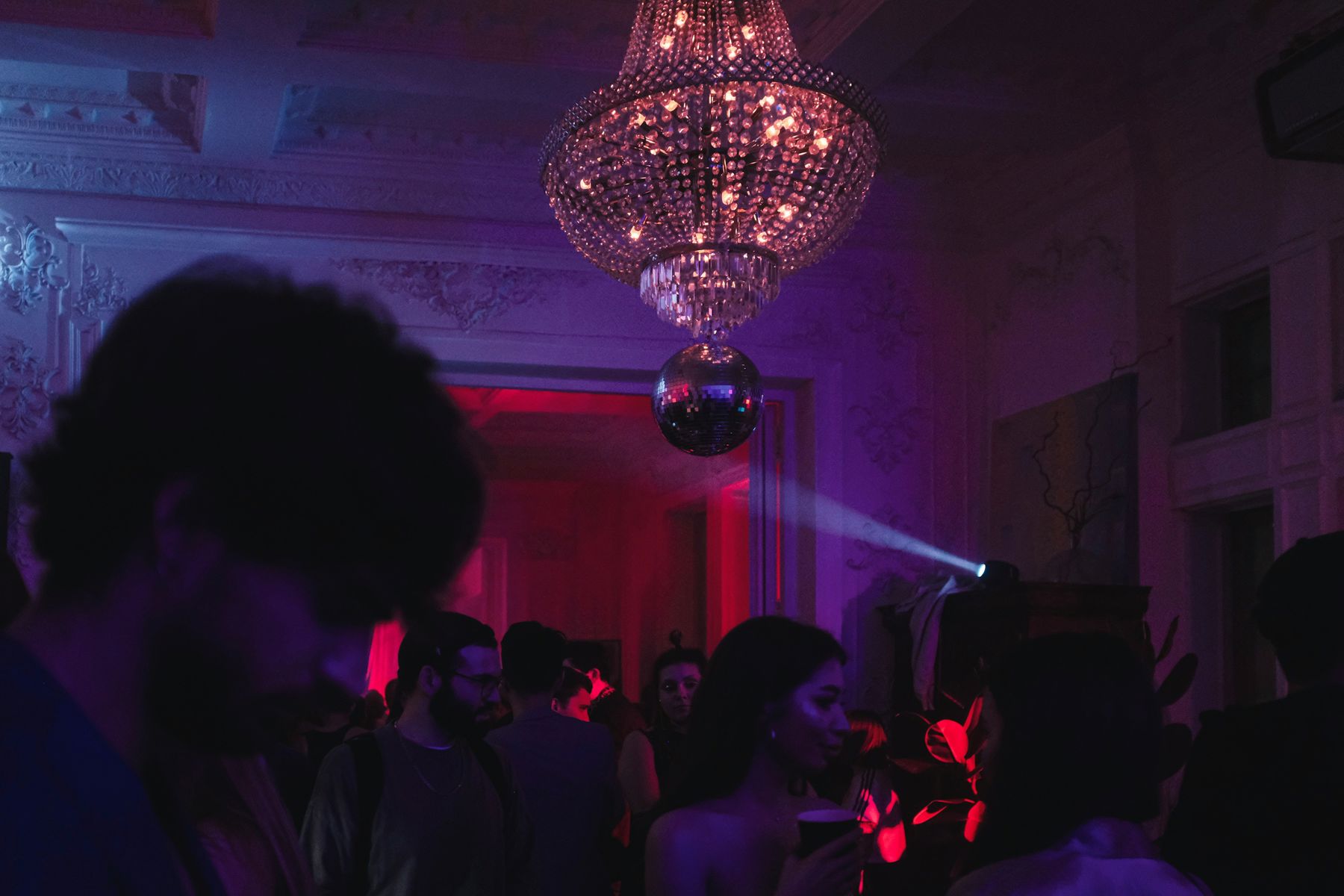
You can’t control what someone is going to think of the décor or lighting in one of your spaces or if what you charge fits with their budget. But if you don’t even bother posting high-quality photos or keeping price ranges for different types of events current, you’re sending the very worst signal of all: that you can’t (or, worse, won’t) take the time to represent your business as well as possible.
For the planner, it's both frustrating in the moment, as they do their research, and it also sends an undesirable signal about what they can expect as they work with you to plan their event.
The good news is we're here to help you get the basics right. Our outreach team will work with you to polish your profile to near perfection so you put your best foot forward in the “speed-dating” phase. Our FAQ Generator will use your website and your interactions with planners on our platform to draft answers to the frequently asked questions and post them to your profile. And our Account Managers are always ready for a consult.
In our next article, we’ll go deeper on what “good content” means in the age of AI. In the meantime, feel free to reach out to our team if you want to talk, or check out the rest of the series below.