
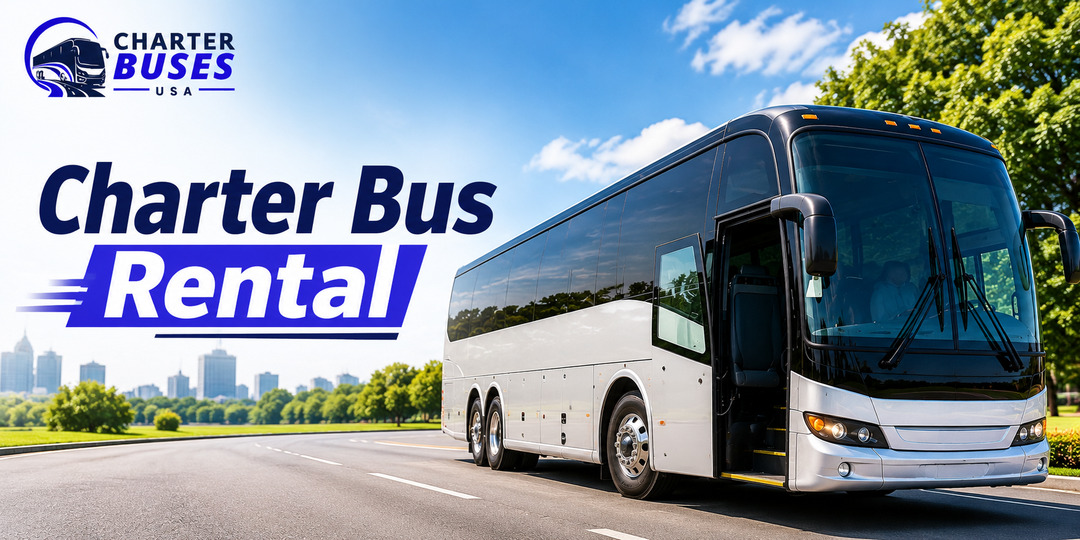
Grand Prairie Charter Bus Rental
Grand Prairie, Grand Prairie, TX
Grand Prairie Charter Bus Rental: A Practical Guide to Organized Group Travel
Planning transportation for a large group can become complicated when passengers are traveling from different locations, carrying luggage or equipment, and following a fixed itinerary. A Grand Prairie charter bus rental can provide a centralized transportation solution for corporate outings, school activities, weddings, sporting events, family gatherings, sightseeing trips, and other organized journeys. Grand Prairie's location within the Dallas–Fort Worth area also makes it a convenient starting point for group trips to nearby destinations.
Understanding Your Group's Transportation Requirements
The first step is determining exactly what the trip requires. Passenger count, travel distance, number of stops, luggage volume, accessibility needs, and trip duration can all influence the type of vehicle that makes sense.
A smaller group may require a compact vehicle, while a larger gathering may need a full-size coach with additional seating and storage. Establishing these requirements before arranging transportation can help avoid choosing a vehicle that is either too small or unnecessarily large.
Choosing the Right Vehicle Capacity
Vehicle capacity should be based on the actual group size rather than simply choosing the least expensive option. Organizers should include everyone traveling, including guests, employees, coaches, teachers, staff members, or family members.
It is also worth considering whether passengers will bring luggage, sports equipment, event supplies, or other belongings. Additional storage requirements can affect the practical capacity of the vehicle even when there are enough seats for everyone.
Corporate Events and Conference Transportation
Businesses may need transportation between offices, hotels, meeting facilities, conference venues, restaurants, and airports. A coordinated transportation plan can help employees and guests follow a consistent schedule instead of arranging separate vehicles.
For conferences and larger business events, organizers can establish designated pickup points and scheduled departures. This can make transportation easier to communicate and may help reduce confusion when attendees are unfamiliar with the area.
School Trips and Educational Outings
Educational groups often need transportation that keeps students, teachers, and chaperones together throughout the itinerary. Trips to museums, educational facilities, universities, competitions, and attractions can involve strict departure and return schedules.
Before arranging transportation, school organizers should confirm the student and chaperone count, equipment requirements, accessibility considerations, pickup locations, and planned stops. Maintaining an attendance procedure at every major departure can also help group leaders keep track of passengers.
Transportation for Sports Teams and Events
Sports teams frequently travel with more than just passengers. Uniforms, equipment bags, protective gear, medical supplies, and other sporting equipment can require additional storage.
For tournaments and away games, transportation planning should account for arrival times, warm-up periods, meal breaks, rest stops, and equipment loading. A realistic itinerary gives athletes enough time to arrive, prepare, and participate without unnecessary transportation-related pressure.
Weddings, Family Gatherings, and Private Events
Private events often involve guests traveling between hotels, ceremony locations, reception venues, restaurants, and entertainment destinations. Coordinated group transportation can make these movements easier to manage.
For weddings, organizers can establish designated hotel pickup points and scheduled venue departures. Family reunions and private gatherings may similarly benefit from a central meeting location, particularly when attendees are traveling from different parts of the Dallas–Fort Worth area.
Airport and Hotel Transpor
Grand Prairie Charter Bus Rental
Grand Prairie, Grand Prairie, TX
Grand Prairie Charter Bus Rental: A Practical Guide to Organized Group Travel
Planning transportation for a large group can become complicated when passengers are traveling from different locations, carrying luggage or equipment, and following a fixed itinerary. A Grand Prairie charter bus rental can provide a centralized transportation solution for corporate outings, school activities, weddings, sporting events, family gatherings, sightseeing trips, and other organized journeys. Grand Prairie's location within the Dallas–Fort Worth area also makes it a convenient starting point for group trips to nearby destinations.
Understanding Your Group's Transportation Requirements
The first step is determining exactly what the trip requires. Passenger count, travel distance, number of stops, luggage volume, accessibility needs, and trip duration can all influence the type of vehicle that makes sense.
A smaller group may require a compact vehicle, while a larger gathering may need a full-size coach with additional seating and storage. Establishing these requirements before arranging transportation can help avoid choosing a vehicle that is either too small or unnecessarily large.
Choosing the Right Vehicle Capacity
Vehicle capacity should be based on the actual group size rather than simply choosing the least expensive option. Organizers should include everyone traveling, including guests, employees, coaches, teachers, staff members, or family members.
It is also worth considering whether passengers will bring luggage, sports equipment, event supplies, or other belongings. Additional storage requirements can affect the practical capacity of the vehicle even when there are enough seats for everyone.
Corporate Events and Conference Transportation
Businesses may need transportation between offices, hotels, meeting facilities, conference venues, restaurants, and airports. A coordinated transportation plan can help employees and guests follow a consistent schedule instead of arranging separate vehicles.
For conferences and larger business events, organizers can establish designated pickup points and scheduled departures. This can make transportation easier to communicate and may help reduce confusion when attendees are unfamiliar with the area.
School Trips and Educational Outings
Educational groups often need transportation that keeps students, teachers, and chaperones together throughout the itinerary. Trips to museums, educational facilities, universities, competitions, and attractions can involve strict departure and return schedules.
Before arranging transportation, school organizers should confirm the student and chaperone count, equipment requirements, accessibility considerations, pickup locations, and planned stops. Maintaining an attendance procedure at every major departure can also help group leaders keep track of passengers.
Transportation for Sports Teams and Events
Sports teams frequently travel with more than just passengers. Uniforms, equipment bags, protective gear, medical supplies, and other sporting equipment can require additional storage.
For tournaments and away games, transportation planning should account for arrival times, warm-up periods, meal breaks, rest stops, and equipment loading. A realistic itinerary gives athletes enough time to arrive, prepare, and participate without unnecessary transportation-related pressure.
Weddings, Family Gatherings, and Private Events
Private events often involve guests traveling between hotels, ceremony locations, reception venues, restaurants, and entertainment destinations. Coordinated group transportation can make these movements easier to manage.
For weddings, organizers can establish designated hotel pickup points and scheduled venue departures. Family reunions and private gatherings may similarly benefit from a central meeting location, particularly when attendees are traveling from different parts of the Dallas–Fort Worth area.
Airport and Hotel Transpor